
Traditional Sound Practice in Tibetan Buddhism Reading List

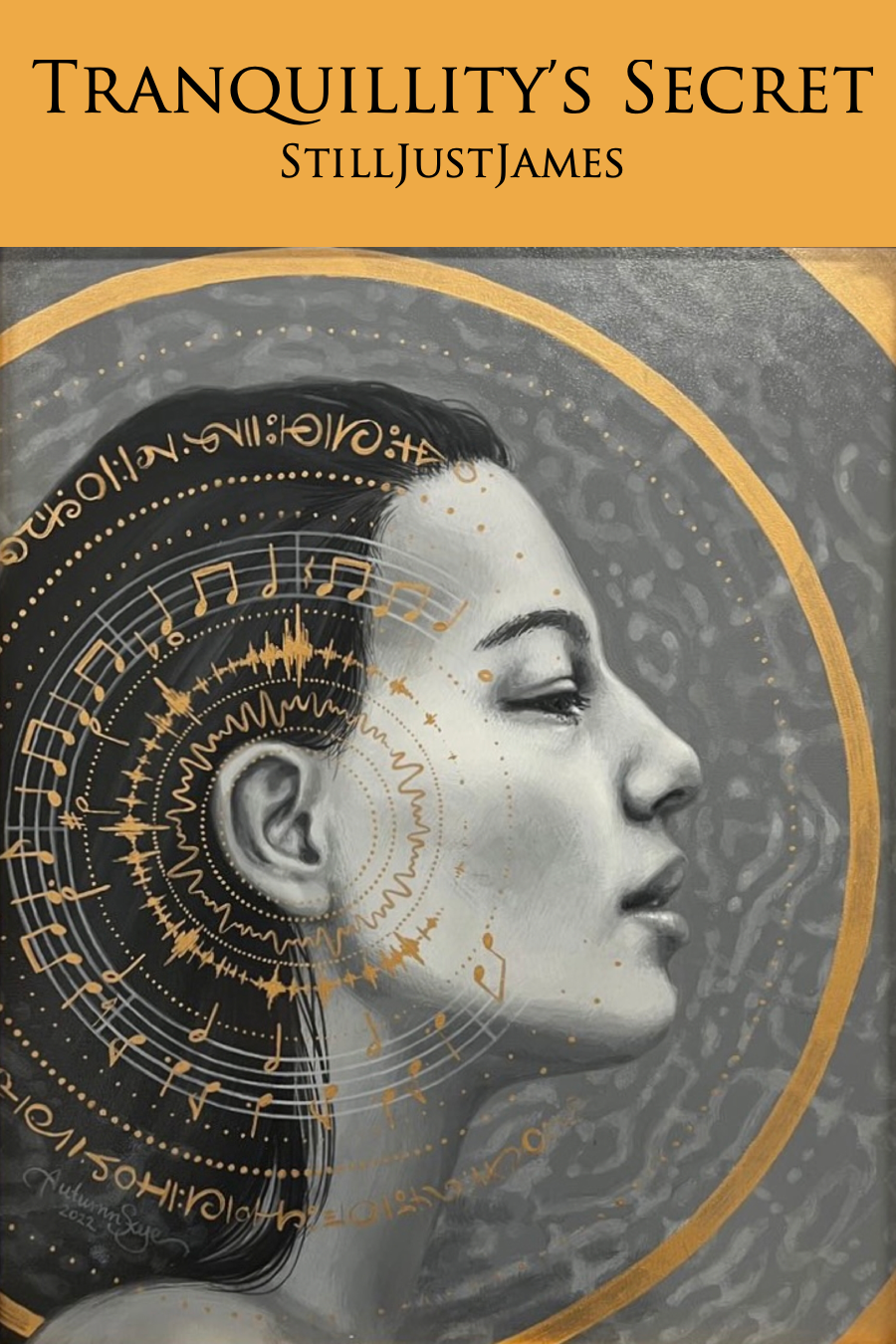
The list below are the articles that provide introductory and detailed information about practices in Tibetan Buddhism using Inner Spontaneous Sound, a.k.a. the 'self-sound' of Dharmatā (chönyid kyi rangdra in Tibetan, dharmatā swayambhu nada in Sanskrit.). I have significantly updated these seven articles. They are:
The Pressing Need For This Forgotten Knowledge And Its Effect
One Purpose Of This Book Is To Share A Very Important, Relatively Unknown, Often Poorly Understood, Support For Advanced Meditation
 James M. Corrigan, Ph.D.
The Name Avalokitasvara
A Noble Illustration Of The Process By Which Knowledge Is Lost Or Degenerates Over Time
 James M. Corrigan, Ph.D.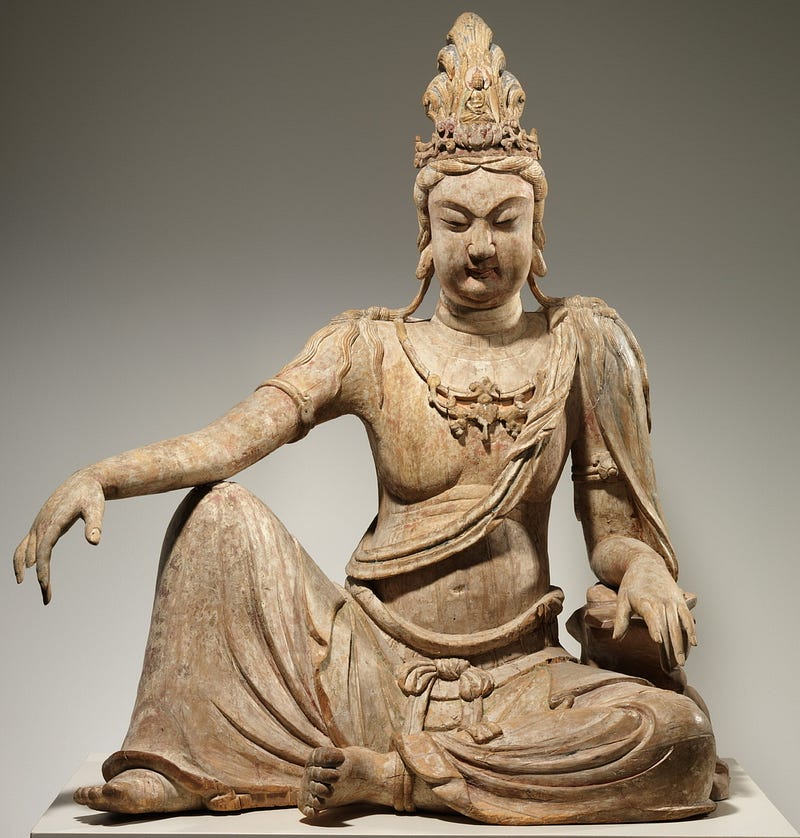
Inner Spontaneous Sound Meditation Practices
Inner Spontaneous Sound Leads Directly To A Definitive Experience Of The Nature Of Mind, And This Is Its Unique Excellence
 James M. Corrigan, Ph.D.
Yoga Of The Supreme Sound Of The Four Elements In Dzogchen
This Yoga Is The ‘Preliminary’ Practice Which Accomplishes The Same Breakthrough As Trekchö, But In A More Natural Way.
 James M. Corrigan, Ph.D.
The Mystery of The Four Elements Sound Practice
Inner Spontaneous Sound Is Not A Contingent Or Compounded Evanescent Phenomenon; It Is Unceasing; It Is The ‘Self-Sound’ Of The Dharmata — It Is Said That It Is By This Means That All Buddhas Reach Enlightenment.
 James M. Corrigan, Ph.D.
Manjushri’s Recommendation
Inner Spontaneous Sound Is The Sole Meditation Support That Can Take One Directly To A State Of Enlightenment Without Tradition Or Teacher
 James M. Corrigan, Ph.D.
The Mystery - Part 2
How Hard-Won Knowledge Can Be Lost Over Time
 James M. Corrigan, Ph.D.